
Building Inspections in Canning Vale, Perth

Stock profile · ABS 2021 Census
What’s here in Canning Vale
- Separate houses
- 94.4%
- Semi-detached / townhouse
- 4.8%
- Flats & apartments
- 0.8%
10,444 occupied private dwellings
Local profile · ABS 2021 Census
Who lives in Canning Vale
- Median age
- 37yrs
How Canning Vale
was built
Canning Vale takes its name from a pastoral property established by William Nicholson in the late 1890s, where he sank bores to irrigate orchards on the heavy alluvial soils of the Pinjarra Plain. Until the late 1970s the area remained almost entirely agricultural, a landscape of market gardens and dairy farms supported by the swampy, clay-rich land between the Darling Scarp and the older coastal dune systems. The first residential estate, Livingston, launched in 1986 and signalled the beginning of the suburb's transformation. The Western Australian Planning Commission rezoned much of the area from rural to urban in May 1994, and from that point development accelerated rapidly through the mid to late 1990s. Lakes were engineered into the estate designs to manage the drainage that the original swampy terrain had always required naturally. The housing stock laid down in that 1988 to 2002 window is predominantly double-brick on a concrete slab, consistent in character across the estate streets, with tiled pitched roofs and aluminium-framed windows. A second wave of infill townhouses and medium-density development followed from the 2010s as original lots were subdivided. Canning Vale's Pinjarra Plain soils, a mix of alluvial clay, loam, and former wetland areas, behave differently from the coastal sands found in northern Perth suburbs, and this distinction drives the inspection findings the suburb produces.
What makes Canning Vale worth it
-
One of Perth's most affordable family suburbs close to the city
Canning Vale offers large family homes at price points well below comparable-sized properties in the western and northern corridors, with the Kwinana Freeway putting Fiona Stanley Hospital, Garden City, and the CBD within practical reach.
-
Livingston Marketplace for everyday retail
Livingston Marketplace provides major supermarkets, specialty retail, dining, medical, and community services at the centre of the suburb, reducing the need to travel to neighbouring retail hubs for routine shopping.
-
Strong public and private school catchment
Canning Vale College and multiple primary schools serve the suburb, with private options including Carey Baptist Grammar's junior campus and Kolbe Catholic College within or adjacent to the suburb boundary.
-
Engineered lake and park network
The estate design incorporated a series of landscaped lakes and linear parks, giving most streets access to open water and green corridors within a short walk, a feature unusual for a suburb developed primarily for affordability.
-
Kwinana Freeway access to the broader south corridor
The freeway on-ramp gives direct access to Fiona Stanley Hospital, Murdoch University, Garden City at Booragoon, and Fremantle, making Canning Vale a functional base for employment hubs across Perth's southern half.
Top defects in Canning Vale
Five issues we find most.
From 59 SURE inspections in Canning Vale. Each defect is anonymous. No property is identified.
30 defect types indexed across 59 inspections
Meet Gary Wilkes
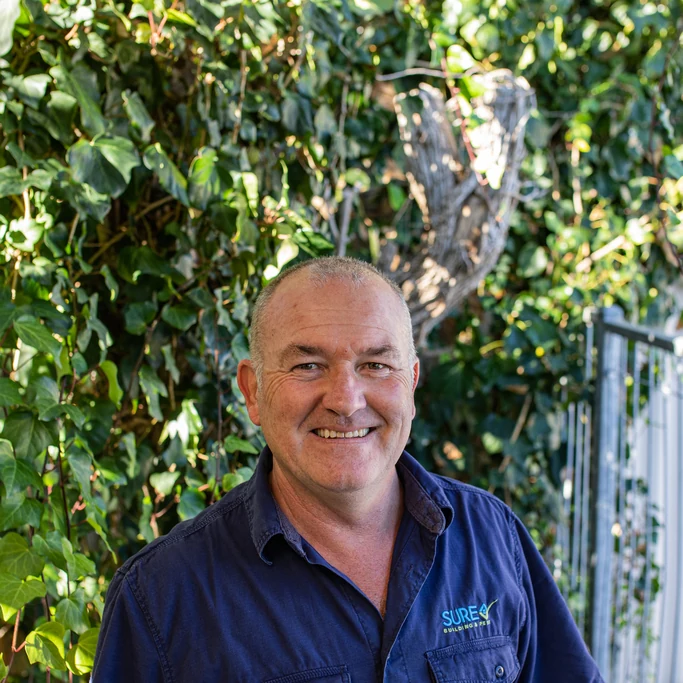
Gary Wilkes inspects Canning Vale and the wider Perth South corridor from the inner southern suburbs out to Rockingham. Pinjarra Plain clay soils and 1990s estate stock are his specialities in this postcode. - Territory: Perth South - Experience: 15+ years residential and commercial - Specialisations: Pinjarra Plain reactive clay, 1990s double-brick estate stock, drainage failures - Direct line: 1300 787 327 Gary typically responds within 2 hours on business days.
Local risks in Canning Vale
Canning Vale was rezoned and developed at speed through the late 1980s and 1990s on former market garden and wetland land. The dominant housing stock is double-brick on a concrete slab with tiled pitched roofs, most of it now approaching 30 years of age. That is the window where original materials reach end of life simultaneously: roof flashing, wet-area waterproofing, slab joint movement, and tree-root proximity all come due together. The suburb sits on Pinjarra Plain alluvial clay and loam over older dune sands, a reactive soil profile that behaves very differently from the coastal limestone suburbs of northern Perth. Seasonal moisture cycling causes the clay to expand in winter and contract through summer, placing ongoing stress on the concrete slabs laid down during the 1988–2002 build wave. In Canning Vale, we consistently see: - External wall cracking from clay reactive movement: the most frequent finding in our Canning Vale data, present in three out of four inspections across all construction eras. The cracking follows clay-movement patterns rather than point loads, appearing as diagonal cracks at window corners and horizontal cracks at mortar joints. Typical repair: $2,500–$7,000. - Stormwater drainage issues: former wetland and market garden drainage patterns persist under the estate streets, and low-lying pockets retain seasonal waterlogging. Downpipes routed against the wall base accelerate slab edge exposure. Typical remediation: $1,200–$3,500. - Roof flashing deterioration: tiled pitched roofs from the mid-1990s are now 25–30 years old. Valley iron flashing and ridge cap flashing corrode and lift, particularly on north-facing pitches. Typical repair: $1,800–$4,500. The 2010s wave of infill townhouses on subdivided estate lots carries its own defect set: shared-wall waterproofing failures, balconies built without adequate drainage fall, and settlement cracks on smaller slab footprints on the same reactive clay sub-base.
Common issues in Canning Vale
Inspecting
Canning Vale homes
Every SURE inspection in Canning Vale covers structural, moisture, roof, drainage, and timber pest scope. The suburb's Pinjarra Plain clay soils behave differently from the coastal sand found in northern Perth, and this drives a distinct set of findings. In our 37 Canning Vale inspections, the three most common findings are external wall cracking due to settlement, trees in close proximity to the dwelling, and bedroom ceiling and cornice join cracks. Reactive clay soils expand and contract seasonally with moisture changes, placing ongoing stress on concrete slabs and the wall frames above them. Inspectors also pay close attention to concealed internal wall areas for termite risk, which appears regularly in homes from the late 1980s and 1990s, and to roof flashing and valley iron condition on pitched tile roofs now approaching 30 years of age.
DefectIndex
SURE has indexed 30 defects across 59 inspections in the Perth region. That data underlies every finding we report in Canning Vale.
Canning Vale and surrounding suburbs
Tiles © Esri · Esri, HERE, Garmin, © OpenStreetMap contributors, and the GIS user community
Questions we hear about Canning Vale
Why does Canning Vale have higher wall cracking rates than newer suburbs?
The Pinjarra Plain soils under much of Canning Vale include reactive clay that expands when wet and contracts when dry. Seasonal moisture cycling in WA's Mediterranean climate means the soil volume under a slab changes from winter to summer every year. In homes from the 1990s, where slab design may not have fully accounted for this reactivity, cumulative movement over three decades produces the settlement cracking our inspectors find most frequently.
Are concealed internal wall areas a real termite concern in Canning Vale?
Yes. Concealed internal wall areas that cannot be visually inspected for termite activity appear regularly in our Canning Vale reports. Homes built in the late 1980s and 1990s may have construction detailing that reduces visibility into wall cavities. Our inspection documents which areas could not be accessed and recommends follow-up probing where risk is elevated.
Is there a flooding risk in Canning Vale?
The suburb was developed on former market garden and wetland land, and some low-lying pockets retain seasonal drainage issues despite the engineered lake network. Inspectors check downpipe connections, surface drainage gradients away from the dwelling, and the condition of paving near the perimeter. Homes adjacent to drainage reserves warrant extra attention to subfloor moisture in winter.
How quickly are reports delivered and what support comes with defects?
Reports are usually delivered the same day as the inspection, subject to access and availability, in full PDF with photographs and severity ratings. If defects are identified, which is common in homes of this age, you also receive 12 months FREE advice from your inspector. This covers everything from interpreting contractor quotes to deciding whether to proceed, negotiate, or walk away.
Who inspects Canning Vale properties?
Gary Wilkes covers Canning Vale and the wider Perth southern corridor. Gary holds CPPHON4013 and CPPUPM3008 and brings 15 years of residential and commercial building experience to every inspection. He is the SURE Building Inspections Perth South franchisee and knows the Pinjarra Plain reactive soil conditions that define Canning Vale's inspection profile.
What are the most common building defects found in Canning Vale?
Based on an indicative sample of 59 SURE inspections carried out in Canning Vale, the most common defects we identify are: External Wall Cracking due to Settlement, Trees in Close Proximity to Dwelling, Mulch and Garden Beds Against House, Slab Edge Concealed by Soil, Paving, or Raised Garden Beds, Bedroom 2 Ceiling/Cornice Join Crack.
Are termite or timber pest concerns common in Canning Vale?
Yes. Across 59 inspections in Canning Vale, the most common timber-pest findings include Mulch and Garden Beds Against House, Slab Edge Concealed by Soil, Paving, or Raised Garden Beds, High Termite Risk Due to Environmental Surrounds. We recommend a timber-pest inspection alongside any pre-purchase building inspection here.
What structural issues are typical for homes in Canning Vale?
Common structural findings we record in Canning Vale include External Wall Cracking due to Settlement, Obstructed Roof Void due to Insulation, Binding Door (Hallways). Each finding is reported alongside remedy recommendations and covered by 12 months free advice.
Is moisture a concern in Canning Vale homes?
Excessive Moisture Readings and Deteriorated Splashback Sealant are among the moisture-related findings recorded across 59 inspections in Canning Vale. Our inspectors use moisture-meter readings to quantify any issue they detect.
Book an inspection
in Canning Vale
Real defects our inspectors have flagged
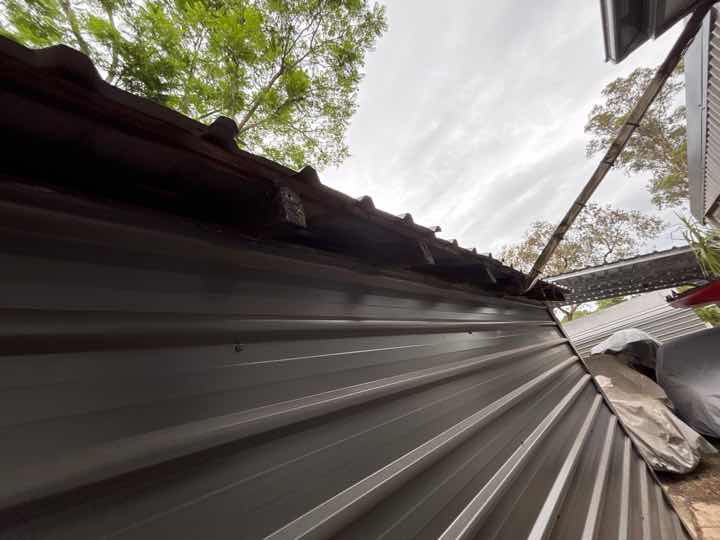
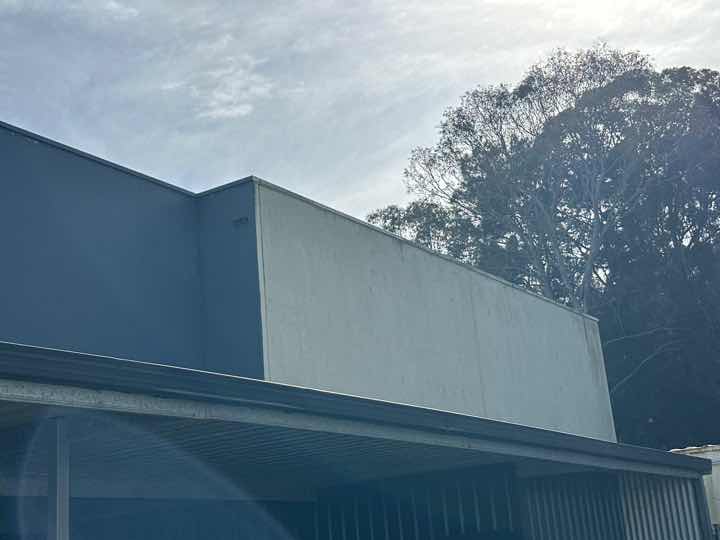
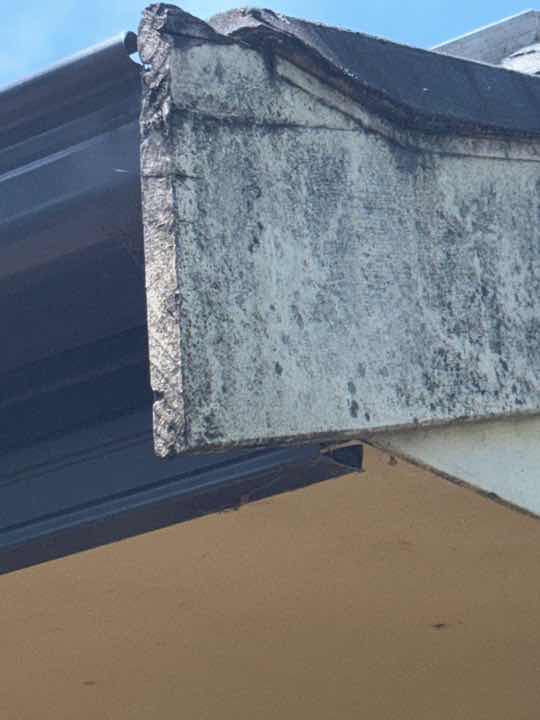
Built to last. Inspected to be SURE.
One inspection, twelve months of advice, and the same person on the other end of the phone every time you call. That is the part you do not see on the brochure.
9,237 inspections · 242,618 defects found · Inspector-owned franchises
Your free area report
Get your free area report in 30 seconds
A suburb-specific PDF with defect profiles from real SURE inspections in Canning Vale, price trends, school data, and era-aware inspection guidance, emailed within two minutes. Just 4 fields.
- Defect profile: top issues found in real SURE inspections in Canning Vale.
- Price trends & school data: local context to inform your decision.
- No paywall. No commitment. Just 4 fields, 30 seconds.