
Building Inspections in Wanneroo, Perth
Stock profile · ABS 2021 Census
What’s here in Wanneroo
- Separate houses
- 86.9%
- Semi-detached / townhouse
- 10.2%
- Flats & apartments
- 0.2%
4,560 occupied private dwellings
Local profile · ABS 2021 Census
Who lives in Wanneroo
- Median age
- 41yrs
How Wanneroo
was built
Wanneroo carries one of the longer European settlement histories in the northern corridor. The first land grants in the district were made in 1838, with the land used mainly for cattle grazing and small-scale horticulture. The township of Wanneroo was established in the 1880s, and from the 1920s onward a wave of southern European immigrants established market gardens across the area, growing vegetables for the Perth metropolitan market on the sandy, well-drained soils around Pinjar and Neerabup. The Wanneroo Road District was gazetted in October 1902, formalising local government for what was still largely rural country. Connection of electricity supply in 1954 marked the shift from farm service village to emerging suburb. Major residential development arrived in the 1970s, concentrated around the original township core near the Wanneroo town centre, with further growth through the 1980s and 1990s as the northern corridor expanded. The current dominant housing stock is from the late 1990s and 2000s, when master-planned estates filled the land between the old township and the Gnangara wetland system. These newer homes sit on deep Spearwood dune sands that are well-drained but prone to settlement cracking as slabs and the sandy substrate settle through their first decade. The older township core retains a stock of 1970s-1980s homes with a different defect profile centred on fascia rot and downpipe disconnection.
What makes Wanneroo worth it
-
Gnangara wetlands and Yellagonga Regional Park nearby
The Gnangara mound wetland system and Yellagonga Regional Park form a significant natural corridor on Wanneroo's eastern boundary, providing walking trails, birdwatching, and genuine bushland amenity that most Perth suburbs cannot offer.
-
Northern growth corridor with active investment
Wanneroo sits within the City of Wanneroo's strategic growth footprint, with ongoing investment in road upgrades, school construction, and community facilities that tracks population growth in the corridor.
-
Wanneroo Central as the local retail hub
Wanneroo Central Shopping Centre provides supermarket, specialty retail, and services within the suburb itself, reducing reliance on the Joondalup centre for routine shopping.
-
Joondalup Health Campus within fifteen minutes
Joondalup Health Campus, a major public and private hospital with a 24-hour emergency department, is approximately fifteen minutes by car, which is a meaningful infrastructure advantage in the northern growth corridor.
-
Market garden heritage reflected in large residential lots
The agricultural history of the area means many residential lots in the older township core are substantially larger than standard estate lots, giving buyers land value that master-planned estates do not deliver.
-
Affordability relative to the Joondalup city centre
Wanneroo properties consistently price below equivalent stock in Joondalup while sharing the same northern corridor transport and retail infrastructure, making it a strong value position for buyers priced out of the city centre.
Top defects in Wanneroo
Five issues we find most.
From 34 SURE inspections in Wanneroo. Each defect is anonymous. No property is identified.
30 defect types indexed across 34 inspections
Meet Kim Steele

Kim Steele inspects Wanneroo and the whole Perth northern growth corridor from Stirling up to Yanchep. Sandy soil foundations and new-build settling are his specialities. - Territory: Perth North - Experience: 10+ years - Specialisations: Sandy dune soil foundations, new-build settling, coastal moisture, concealed slab edges - Direct line: 1300 787 327 Kim typically responds within 2 hours on business days.
Local risks in Wanneroo
Wanneroo sits on deep Spearwood dune sands with Bassendean sand over clay on the eastern edge near the Gnangara wetlands. The suburb's two-era stock pattern produces two distinct defect profiles that often appear on the same street. In the late 1990s through 2010s master-planned estates, deep sandy soils provide limited lateral restraint to slab edges and their moisture content swings significantly between Perth's wet winters and long dry summers. New-build homes continue settling for several years after construction, producing cracking that buyers can dismiss as cosmetic but which indicates ongoing movement. Concealed slab edges from estate landscaping carry an average severity of 3.73 in our Wanneroo data, the highest of the leading defects, because sandy dune soils and timber-frame brick-veneer construction make the termite entry path a higher-consequence finding than in double-brick suburbs. In the older township core around the Wanneroo town centre, 1970s and 1980s homes show a different profile: fascia rot, downpipe disconnection, and roof sarking degradation on homes that were built before the modern estate pattern. In Wanneroo, we see a lot of: - External wall cracking from settlement: the most common finding. Deep Spearwood dune sands shift seasonally, and trees planted within root distance of footings accelerate the process. Most is moderate stepped brickwork at 2.0–3.5 severity. Typical repair: $1,000–$6,500. - Concealed slab edges: 3.73 average severity, highest of the leading defects. Estate landscaping that has grown above the slab weep screed eliminates the termite barrier inspection zone on brick-veneer timber-frame construction. Typical remediation: garden-bed lowering and barrier assessment at $1,200–$3,500. - Ceiling and cornice joint cracks in secondary bedrooms: consistent across both estate and township-core stock as timber-frame movement telegraphs into finishes. Usually cosmetic but worth documenting as a purchase baseline.
Common issues in Wanneroo
Inspecting
Wanneroo homes
Every SURE inspection in Wanneroo covers structural, moisture, roof, drainage, and timber pest scope. The three most common findings in our Wanneroo reports are external wall cracking due to settlement, concealed slab edges, and ceiling and cornice joint cracks in secondary bedrooms. Wanneroo's deep Spearwood dune sands mean new-build homes continue settling for several years after construction, producing cracking along external walls and internal cornices that buyers sometimes dismiss as cosmetic but which can indicate ongoing movement. Concealed slab edges carry an average severity of 3.73 in our Wanneroo data, the highest of the three leading defects. Every inspection also checks roof sarking condition, which degrades faster in newer homes than buyers expect.
DefectIndex
SURE has indexed 15 defects across 34 inspections in the Perth region. That data underlies every finding we report in Wanneroo.
Wanneroo and surrounding suburbs
Tiles © Esri · Esri, HERE, Garmin, © OpenStreetMap contributors, and the GIS user community
Questions we hear about Wanneroo
Is a building inspection worth it for a newer Wanneroo home?
Yes. Newer does not mean defect-free. Wanneroo's deep sandy soils produce settling cracks in the first five to ten years after construction, and concealed slab edges created during landscaping are a termite pathway that many new homeowners do not notice until damage has occurred. The 12 months FREE advice that comes with every SURE inspection covers you through the settling-in period.
Why are concealed slab edges such a concern in Wanneroo?
Concealed slab edges occur when garden beds, mulch, or raised paving covers the footing perimeter of the slab. This removes the inspection gap that termite management systems depend on and creates a hidden entry point for subterranean termites. In our Wanneroo data, concealed slab edges carry an average severity score of 3.73, the highest of any leading defect in the suburb.
How does the sandy soil affect Wanneroo homes?
Deep Spearwood dune sands are free-draining but provide limited lateral restraint to slab edges, and their moisture content varies significantly between Perth's dry summers and wet winters. That seasonal movement is what drives the external wall cracking and cornice joint cracking that appear consistently in our Wanneroo reports. Trees planted within root distance of footings accelerate the process.
How fast is the report and what happens if defects are found?
Reports are usually delivered the same day as the inspection, subject to access and availability, typically by that evening. Every report includes photos, severity ratings, and plain-English explanations. If defects are flagged, you receive 12 months FREE advice from your inspector to help you negotiate, arrange repairs, or plan a re-inspection after remediation.
Who inspects Wanneroo properties?
Kim Steele covers Wanneroo and the wider Perth northern growth corridor. Kim holds CPPHON4013 and CPPUPM3008, has more than a decade of residential building experience, and is thoroughly familiar with the sandy dune soil conditions and new-build settling patterns that define the Wanneroo inspection environment. Every Wanneroo booking routes directly to Kim.
What are the most common building defects found in Wanneroo?
Based on an indicative sample of 34 SURE inspections carried out in Wanneroo, the most common defects we identify are: External Wall Cracking due to Settlement, Slab Edge Concealed by Soil, Paving, or Raised Garden Beds, Cracked Roof Mortar, Mulch and Garden Beds Against House, Bedroom 2 Ceiling/Cornice Join Crack.
Are termite or timber pest concerns common in Wanneroo?
Yes. Across 34 inspections in Wanneroo, the most common timber-pest findings include Slab Edge Concealed by Soil, Paving, or Raised Garden Beds, Mulch and Garden Beds Against House, Timber in Contact with Ground. We recommend a timber-pest inspection alongside any pre-purchase building inspection here.
What structural issues are typical for homes in Wanneroo?
Common structural findings we record in Wanneroo include External Wall Cracking due to Settlement, Rusted Pergola Post/s, Obstructed Roof Void due to Insulation. Each finding is reported alongside remedy recommendations and covered by 12 months free advice.
Book an inspection
in Wanneroo
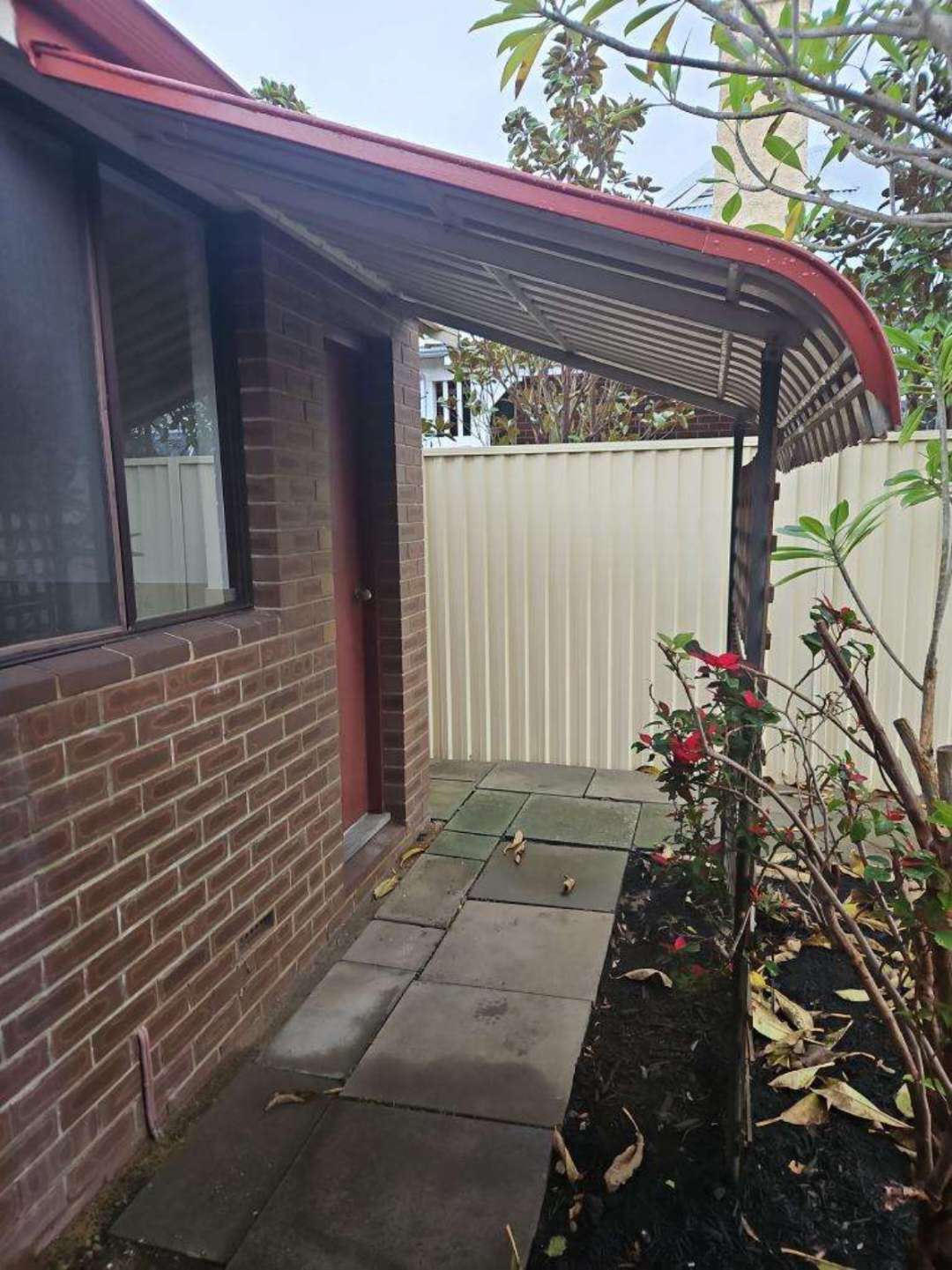
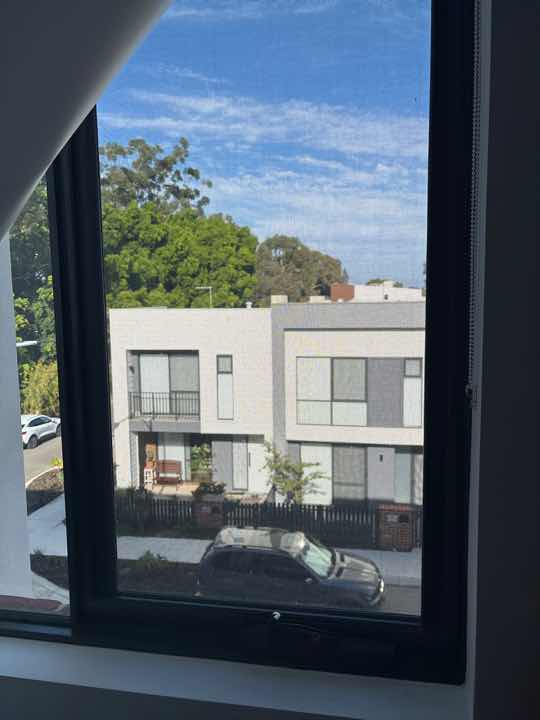
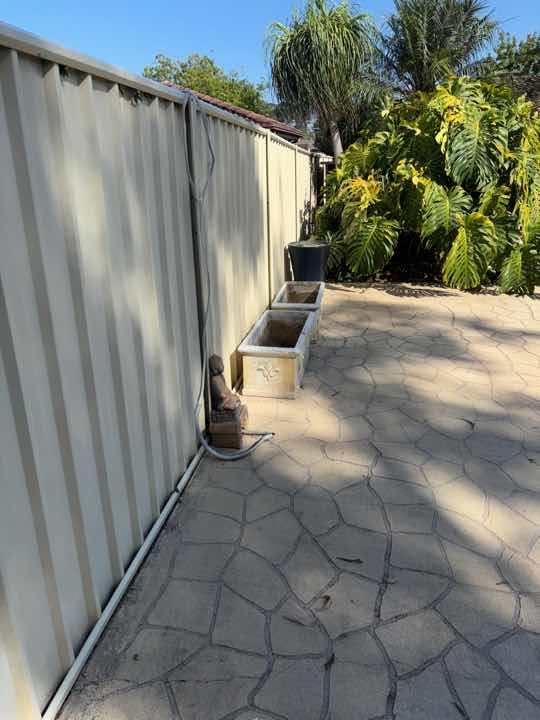
Real defects our inspectors have flagged
Built to last. Inspected to be SURE.
One inspection, twelve months of advice, and the same person on the other end of the phone every time you call. That is the part you do not see on the brochure.
9,237 inspections · 242,618 defects found · Inspector-owned franchises
Your free area report
Get your free area report in 30 seconds
A suburb-specific PDF with defect profiles from real SURE inspections in Wanneroo, price trends, school data, and era-aware inspection guidance, emailed within two minutes. Just 4 fields.
- Defect profile: top issues found in real SURE inspections in Wanneroo.
- Price trends & school data: local context to inform your decision.
- No paywall. No commitment. Just 4 fields, 30 seconds.